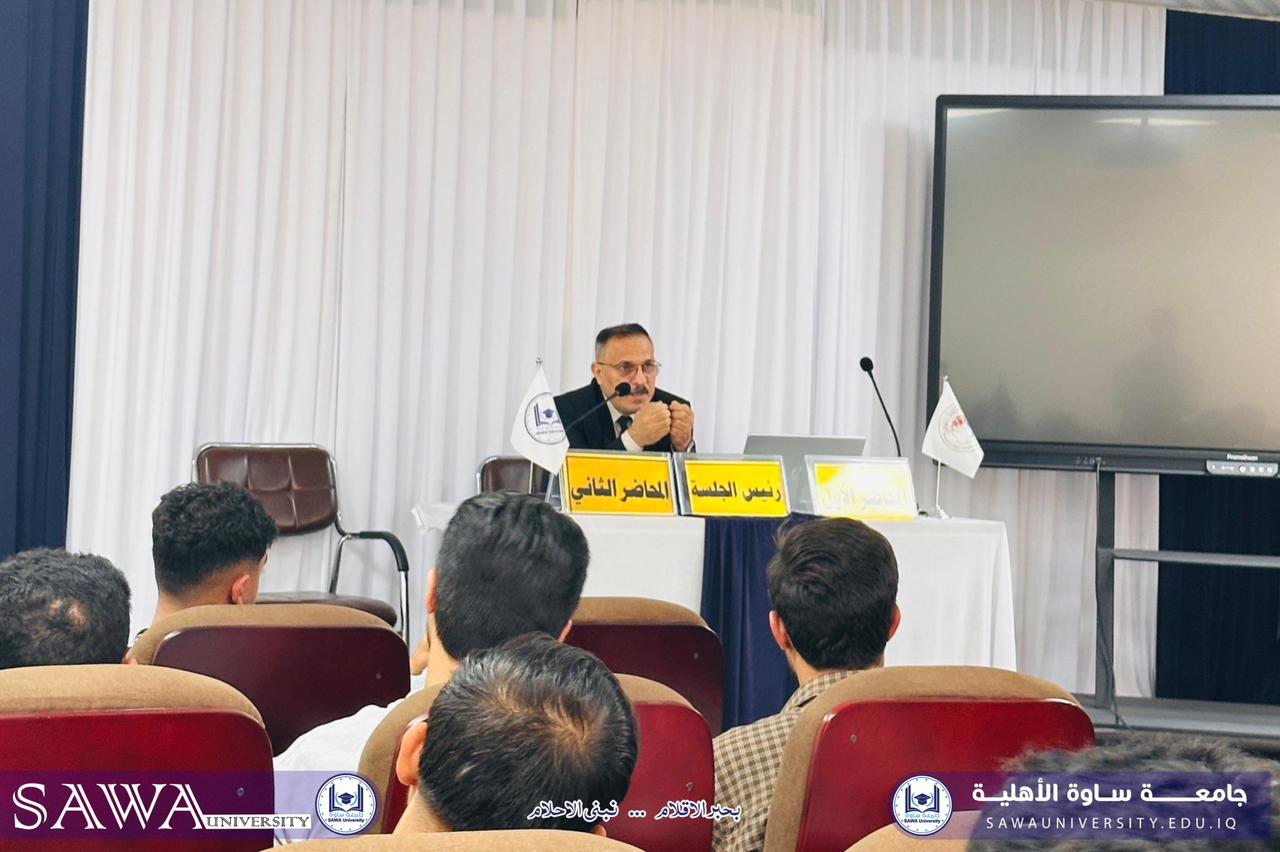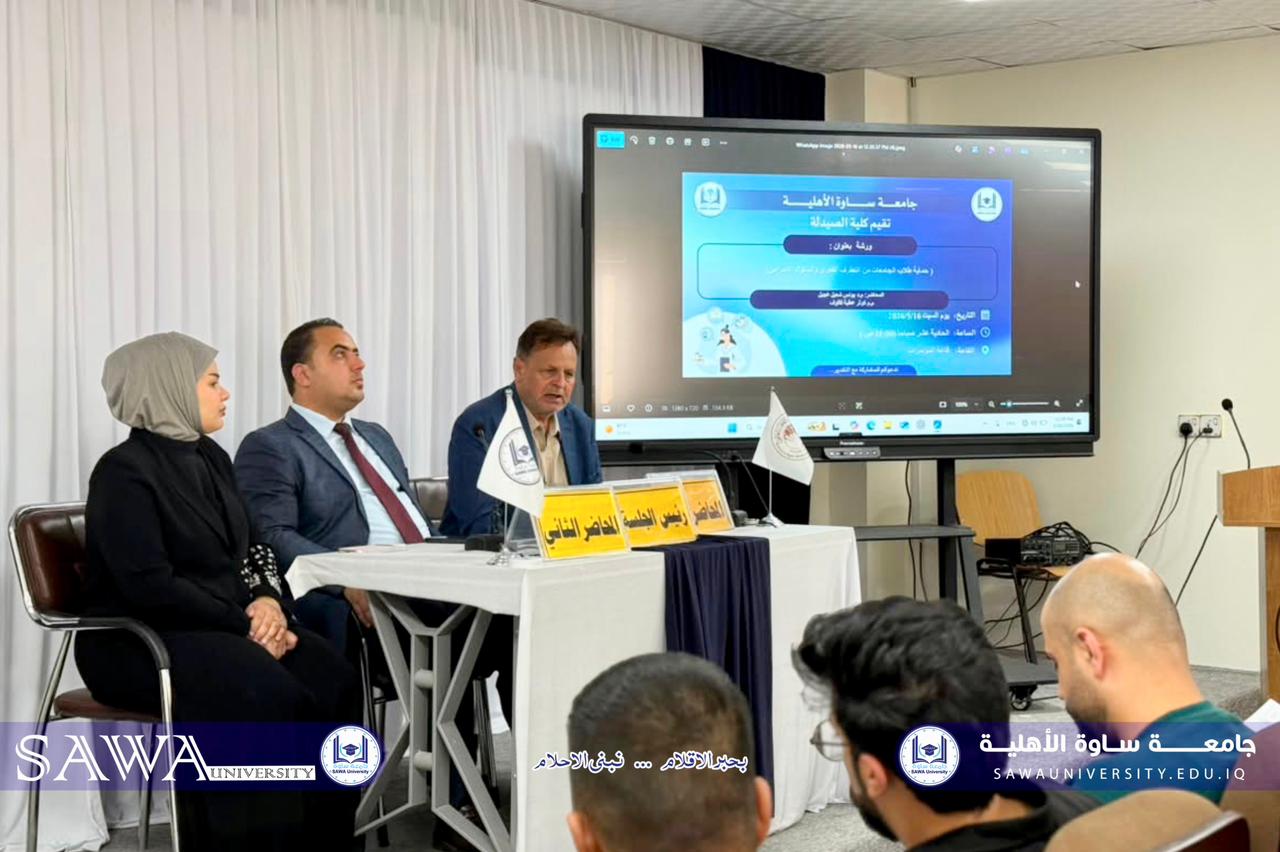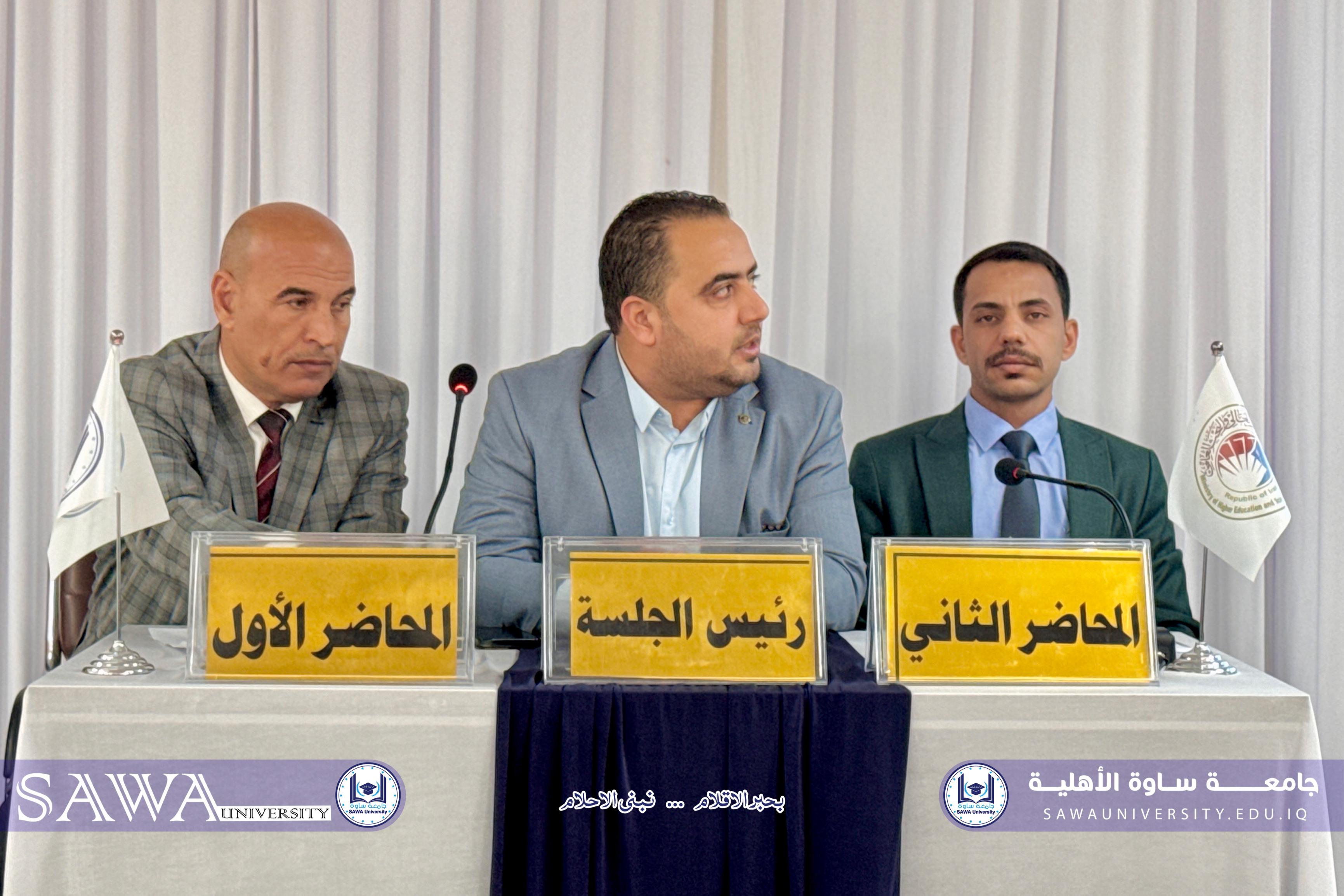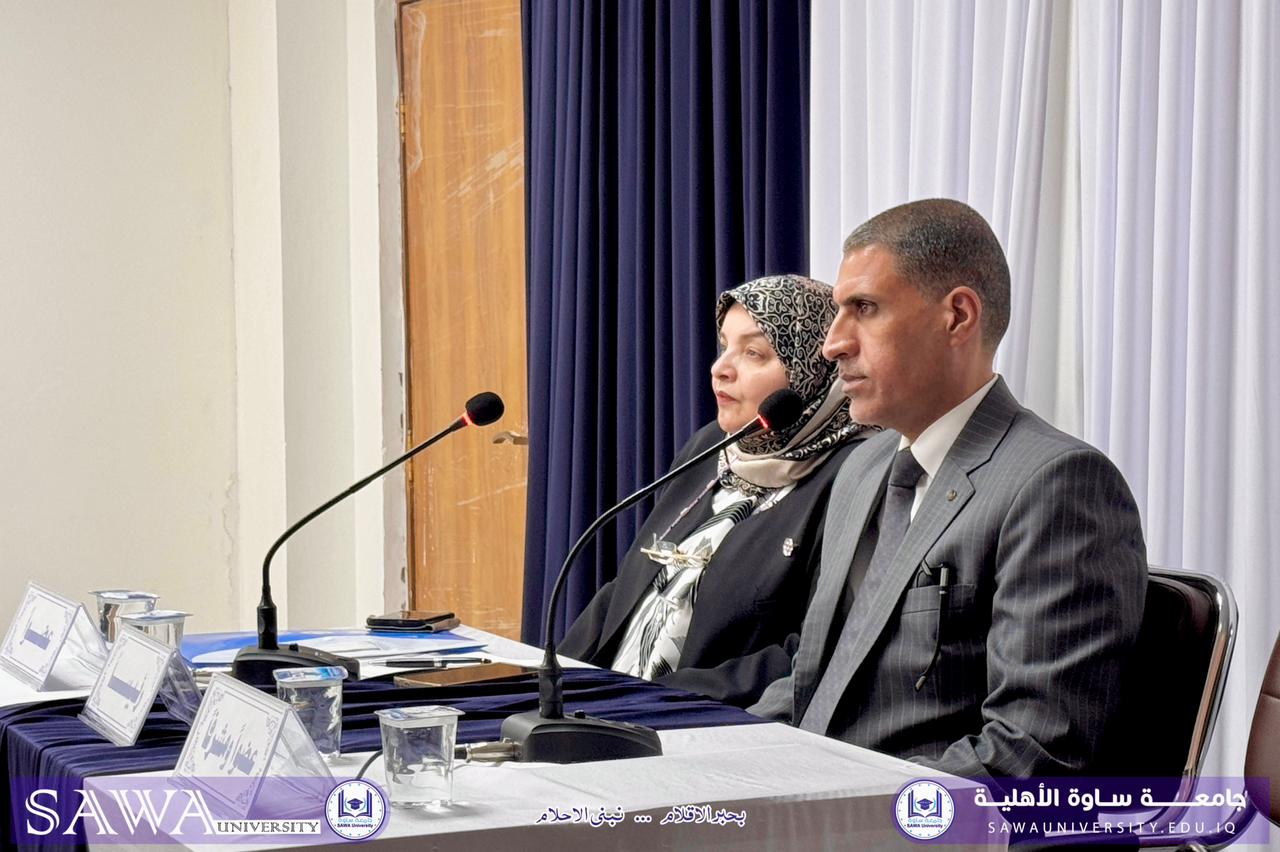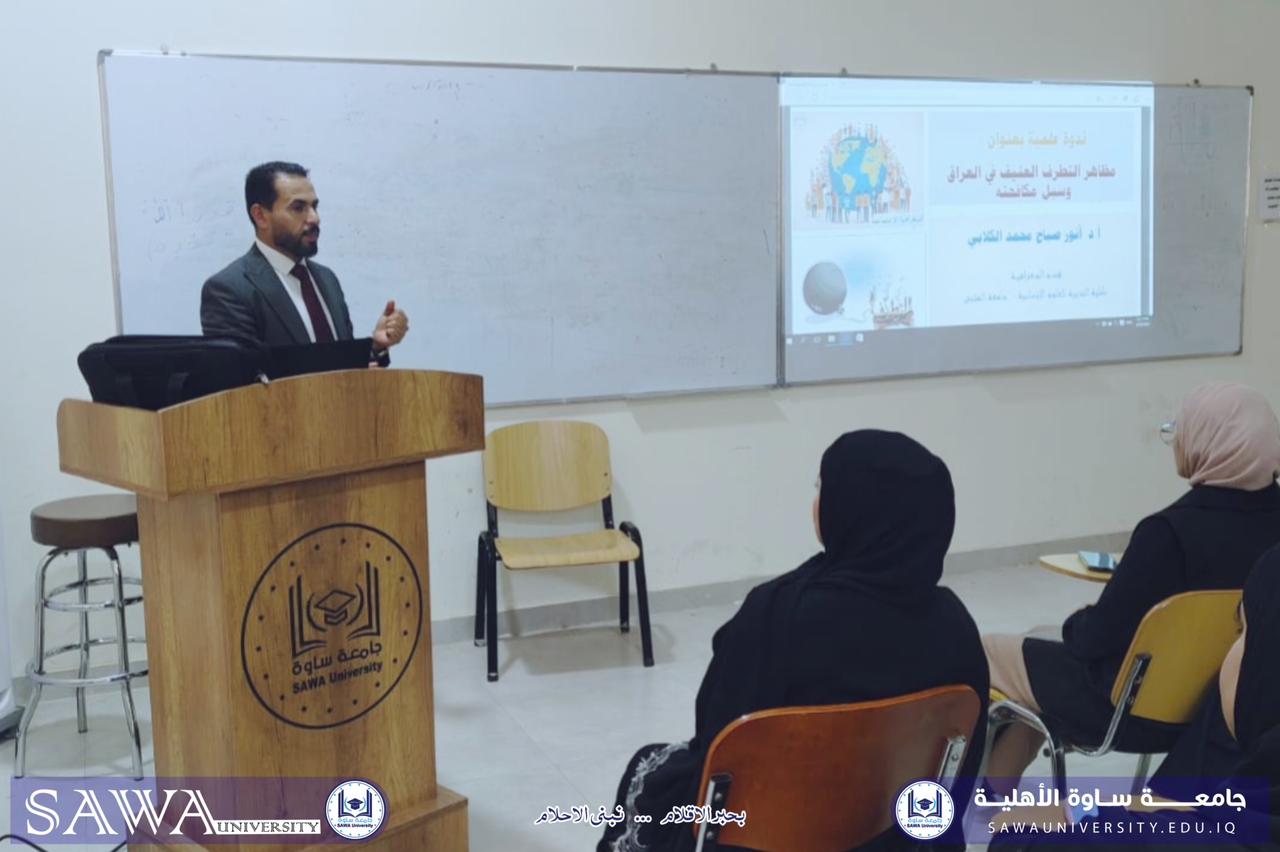
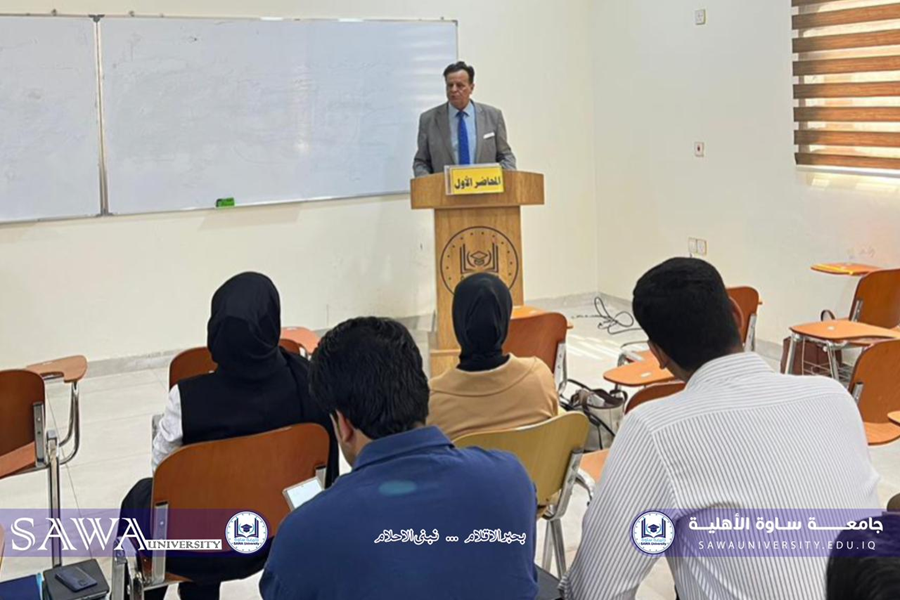
In implementation of the curriculum prepared by the Dean's Office of the College of Law at our university, the college—in cooperation with the Continuous Education Center and the Department of University Psychological Guidance—organized a scientific symposium titled "Crises of Political Systems Worldwide and Their Impact on Social Degradation" at 10:00 AM on Monday, October 13, 2025.
The symposium featured the participation of:
-
Assistant Lecturer Zainab Mohsen Mohammad – Chair
-
Lecturer Dr. Younis Shuail Ajeel – Speaker
-
Assistant Lecturer Kawthar Attiya Liflof – Rapporteur
The symposium emphasized that a political crisis leads to state instability or severe disruption, directly impacting the political framework of a country or region. Political crises are characterized by distinct features, including threatening regime stability, which may result in radical structural changes to power or even full political collapse. Such crises are marked by uncertainty, making their developments and outcomes difficult to predict, often escalating into violent conflicts involving multiple key actors—including governments, political parties, social groups, and foreign states.
Furthermore, the symposium addressed the underlying root causes of political crises and their socioeconomic impacts on local populations. It examined contemporary case studies, such as the decades-long Arab-Zionist conflict characterized by escalating violence and regional instability, encompassing complex issues such as borders, refugees, Jerusalem, and settlement expansion. It also reviewed internal and external conflicts across several Middle Eastern nations—including Yemen, Syria, and Libya—which have triggered wide-scale humanitarian crises and the displacement of millions of people.
.png)