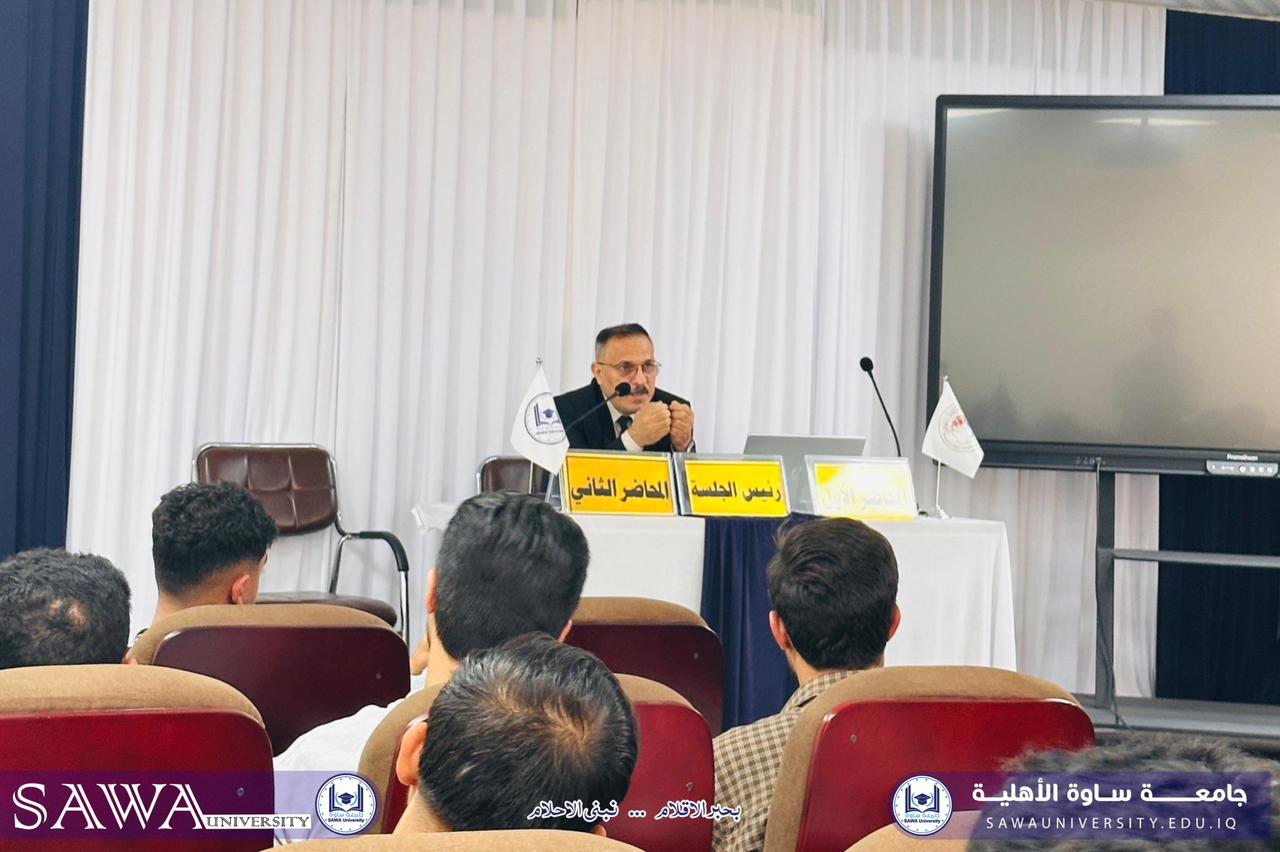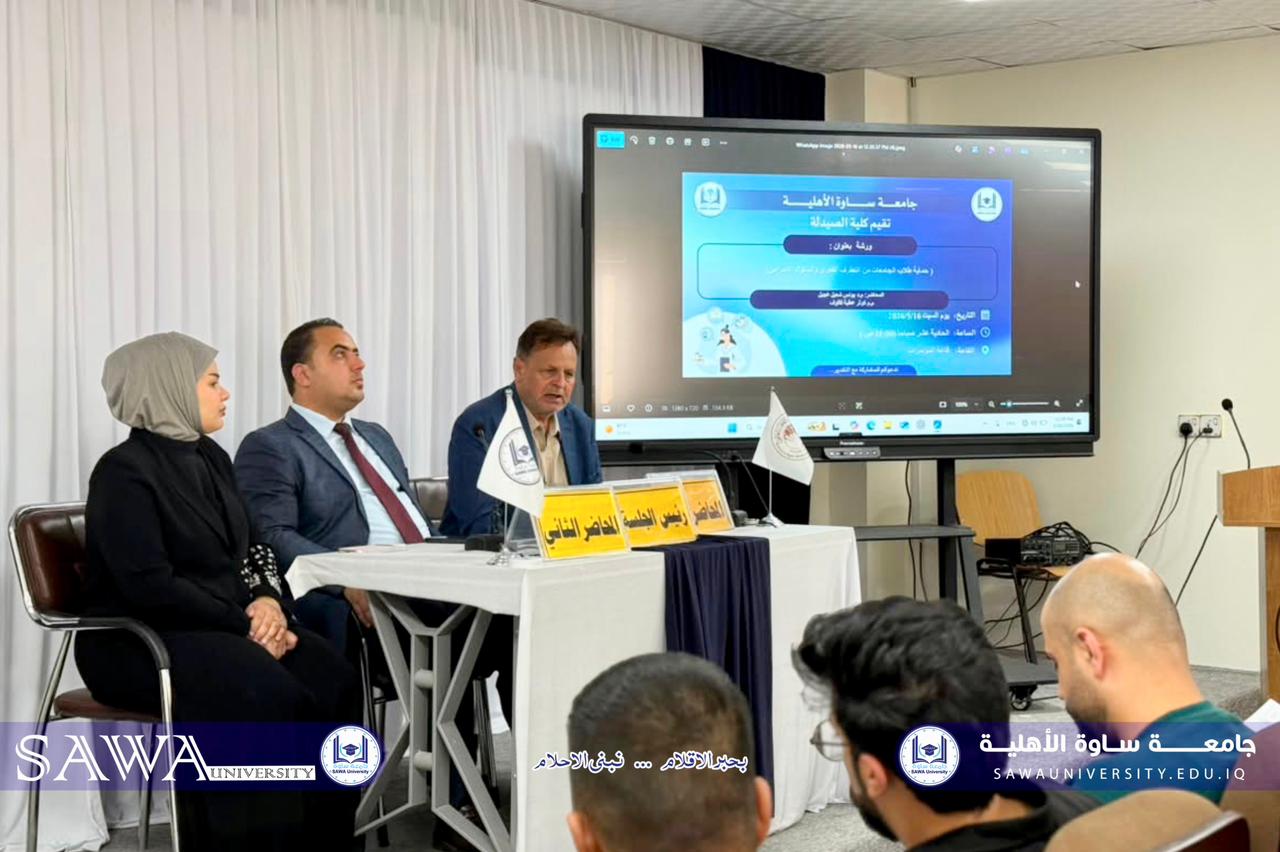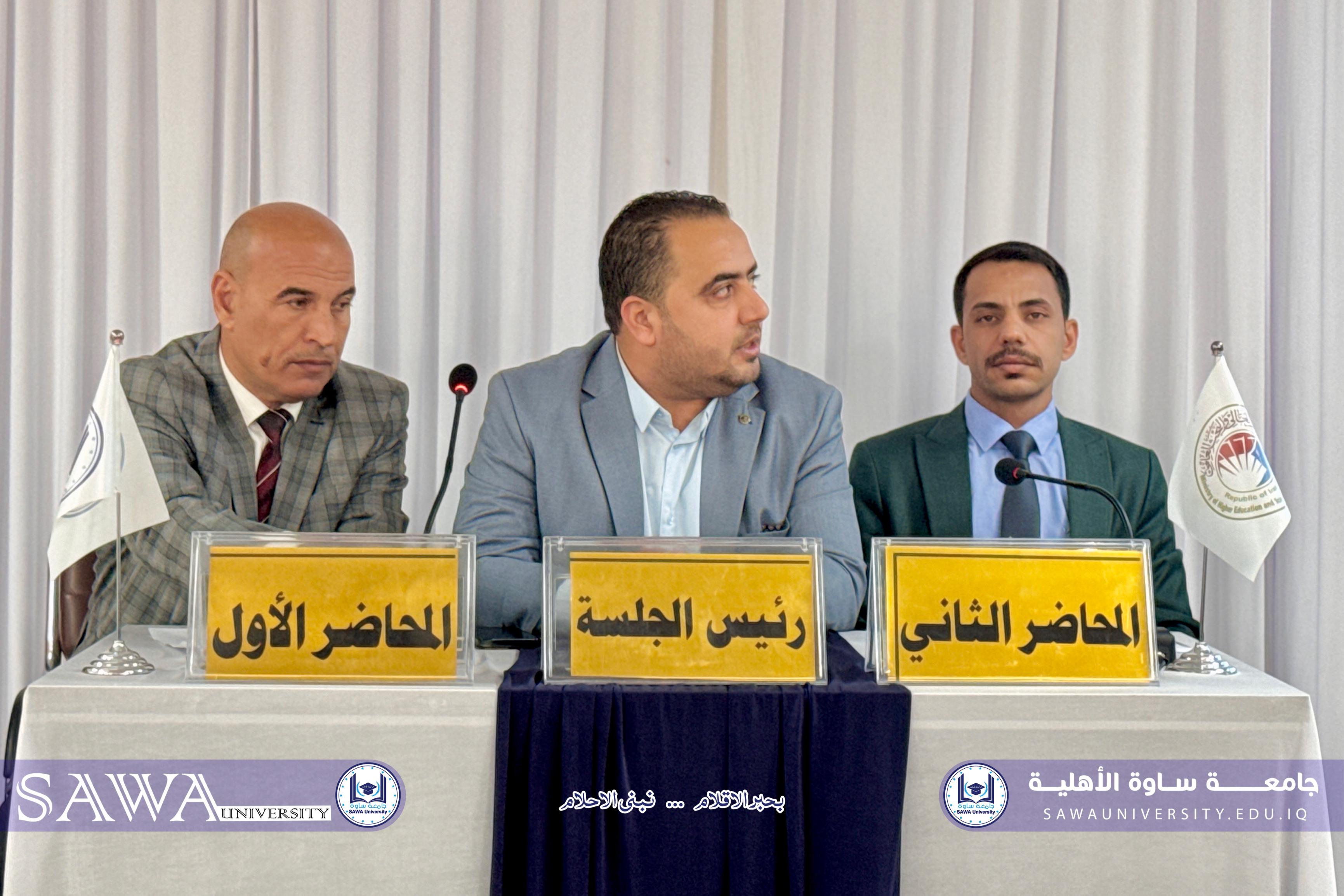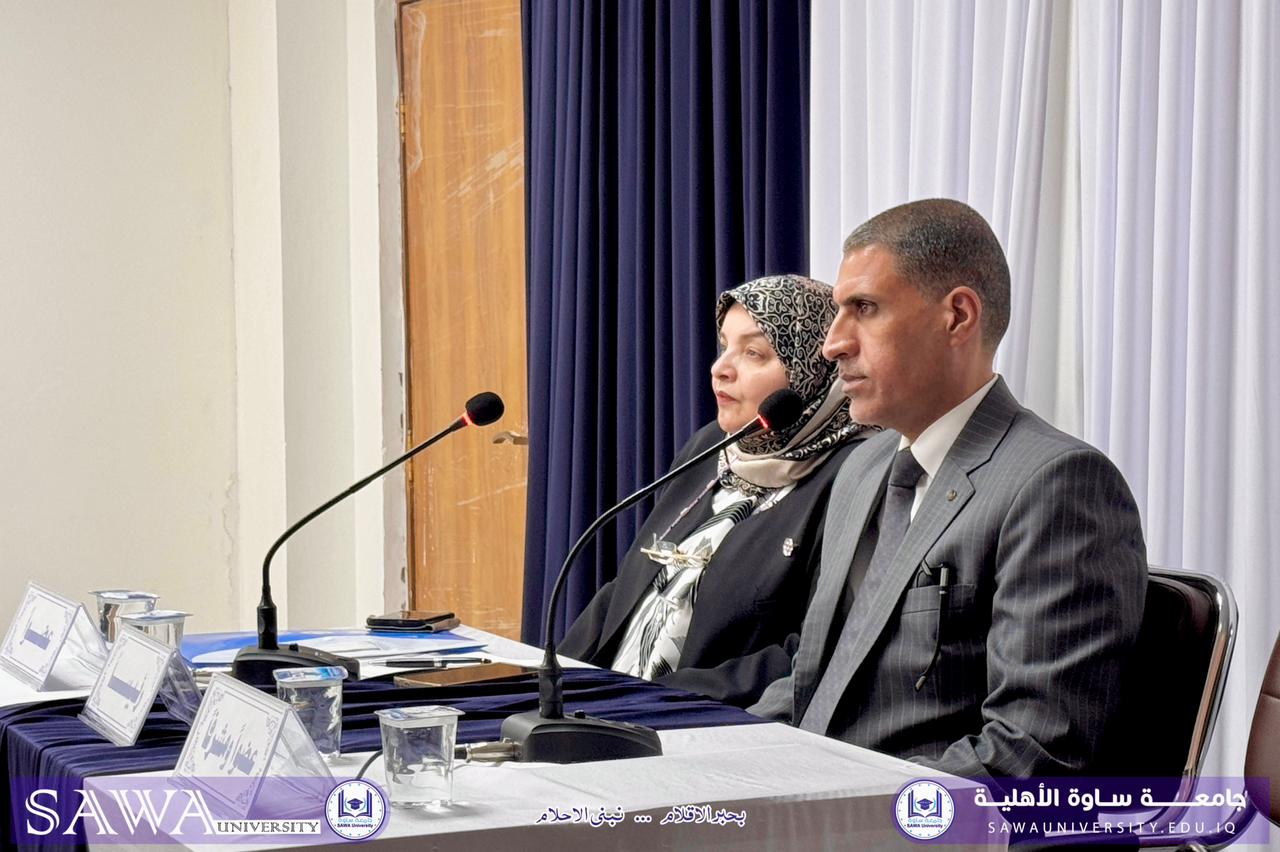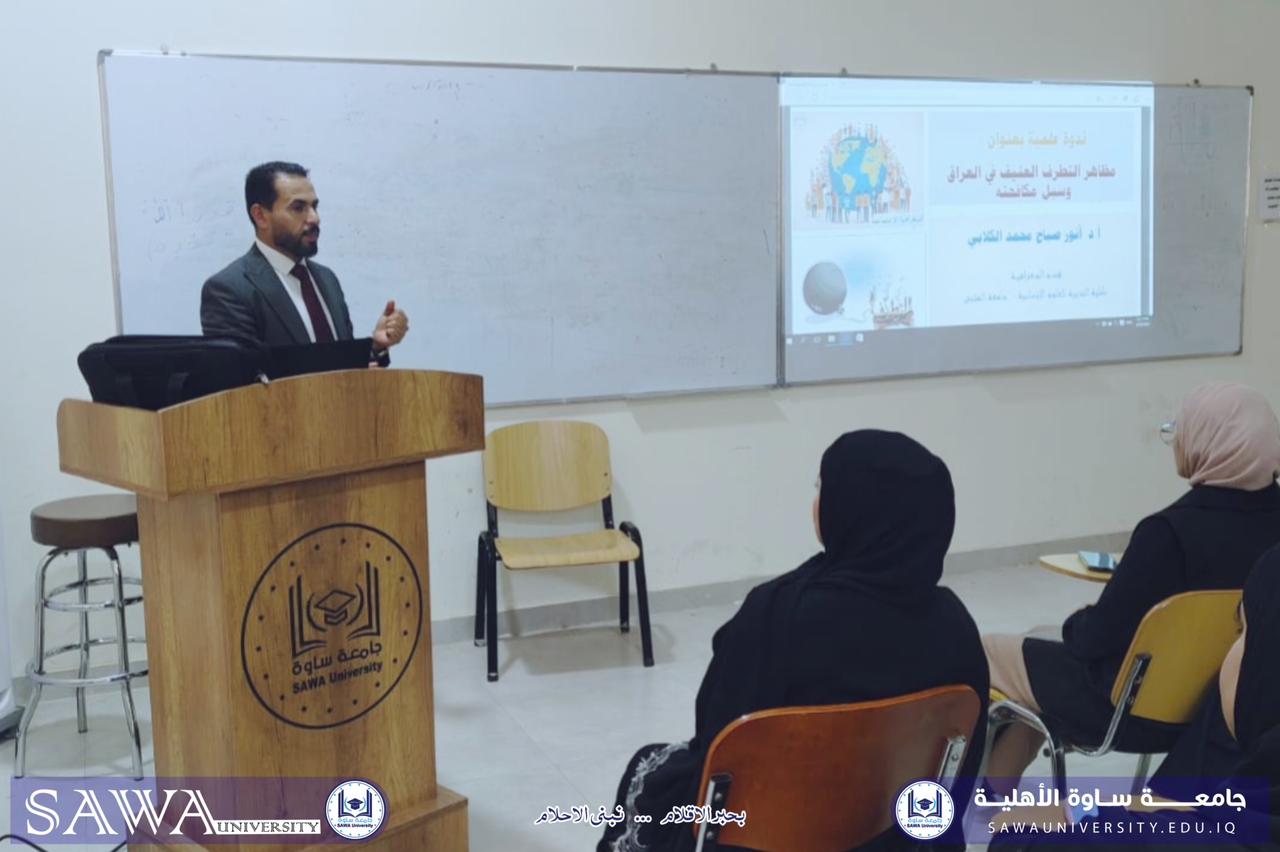
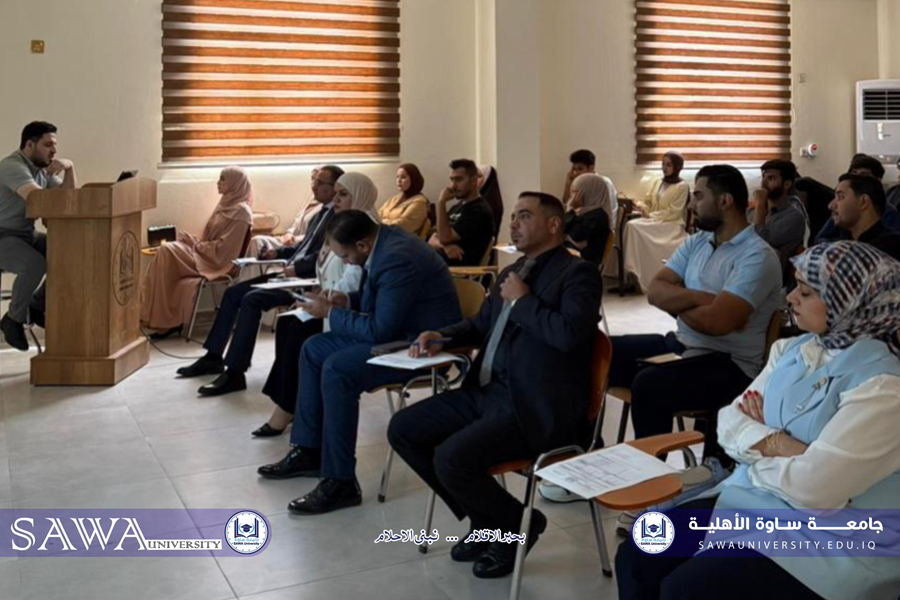
In implementation of the curriculum prepared by the College of Law at our university, and on the occasion of the centennial of Iraq's first constitution, the College—in cooperation with the Department of Student Activities and the University Psychological Guidance Unit—organized an intellectual seminar titled "Intellectual Seminar Commemorating the Centennial of Iraq's First Constitution (The Basic Law of 1925)" at 11:00 AM on Saturday, October 25, 2025. The seminar featured the participation of:
-
Lecturer Dr. Basim Hassan Al-Hassani – Chair
-
Professor Dr. Ghanim Najib Abbas – Speaker
The seminar emphasized that the promulgation of the constitution marks a enduring national milestone, recalling a century of Iraqi constitutional history since the enactment of the 1925 Basic Law. The presentation highlighted its tumultuous genesis, as British authorities initially delayed its publication and implementation, sparking public discontent. Popular opposition intensified upon discovering the primary reason behind the delay: Britain's intent to secure oil concessions for a British firm—later known as the Iraq Petroleum Company—and to condition the constitution's passage on the Constituent Assembly's ratification of the 1924 Anglo-Iraqi Treaty, which restricted Iraqi sovereignty, tied the nation's oil reserves to British interests, and mandated that the constitution remain subordinate to the treaty.
The Iraqi public remained fully vigilant of these maneuvers, as famously articulated by the renowned poet Ma'ruf al-Rusafi:
“A flag, a constitution, and a parliament—all distorted from their true essence,
Whoever reads the constitution realizes it was drafted in accordance with the Mandate.”
Consequently, the King did not ratify the constitution, nor was it published in the Official Gazette, until March 1925, following the government of Yasin al-Hashimi granting the oil concession to the aforementioned company.
The seminar provided a comprehensive and detailed overview of the 1925 Basic Law, outlining its general features and its defining impact on the modern Iraqi state. Participants concluded that commemorating this historic law honors the foundational milestone that laid the groundwork for a modern state rooted in constitutional legitimacy, respect for rights, and the separation of powers.
(2).png)