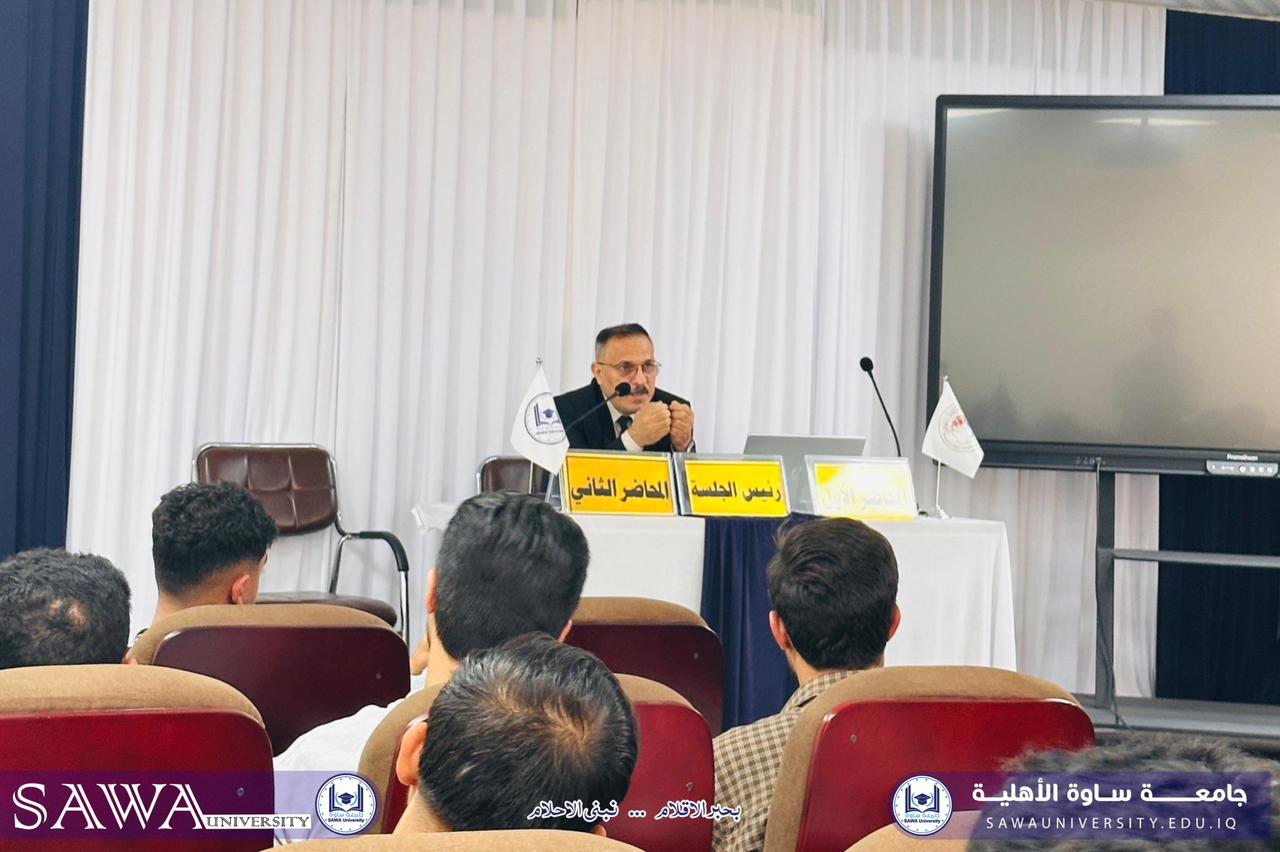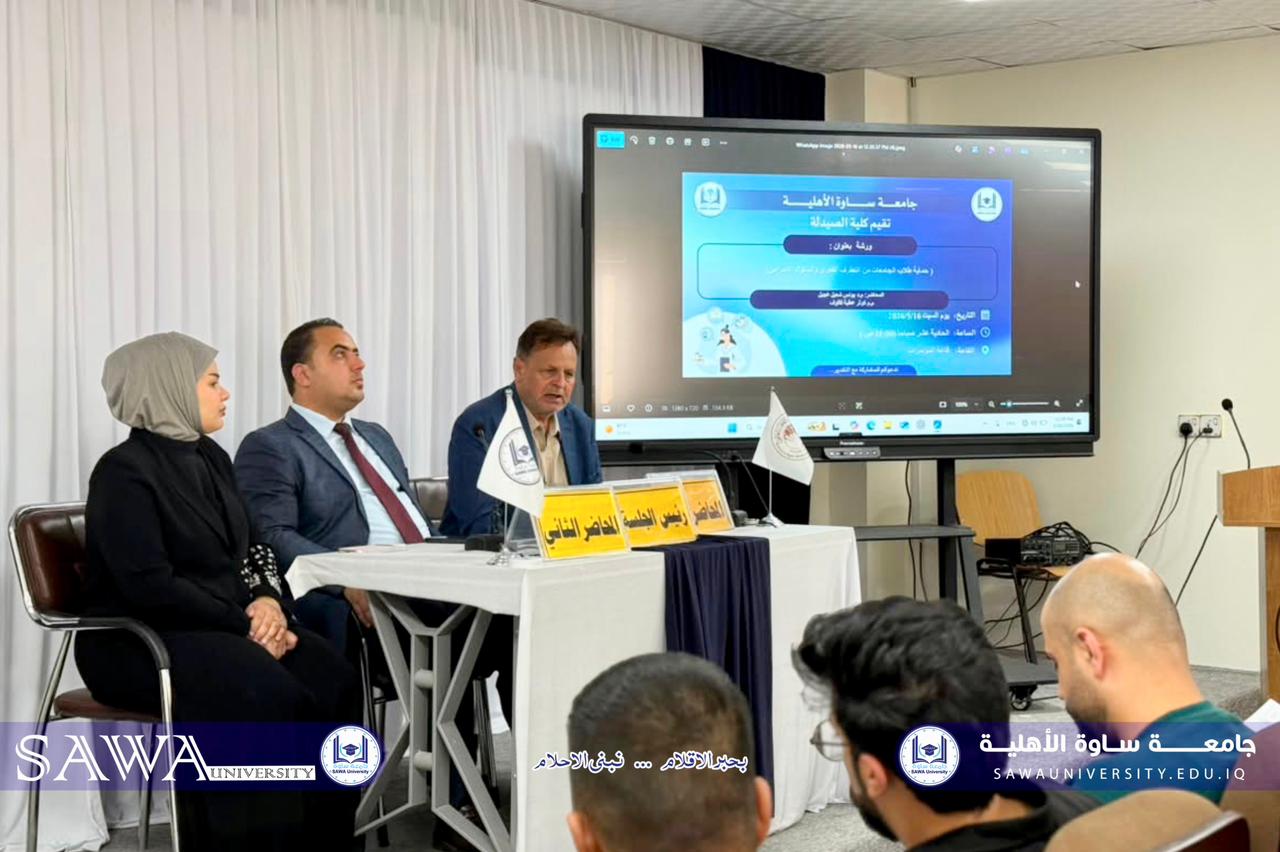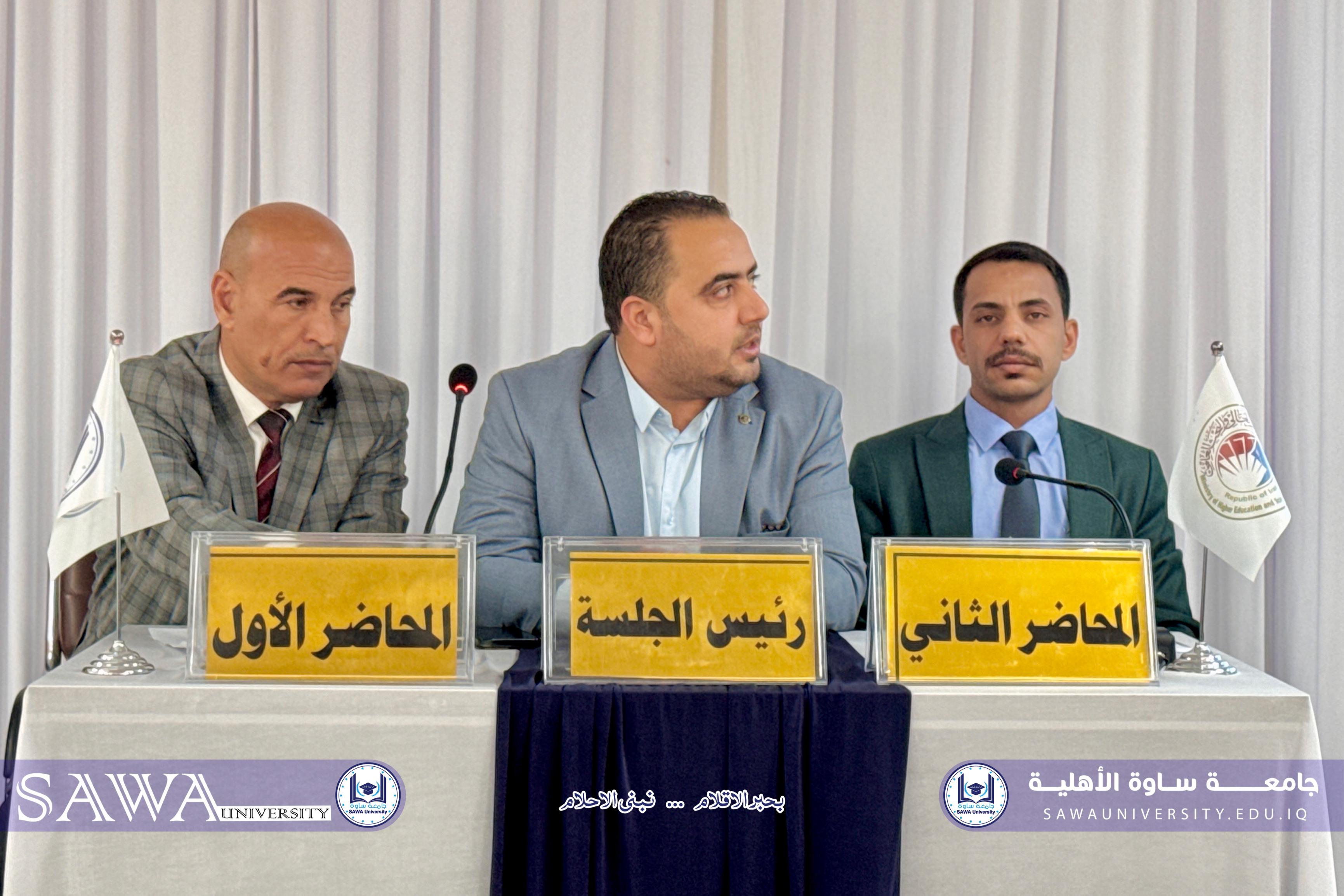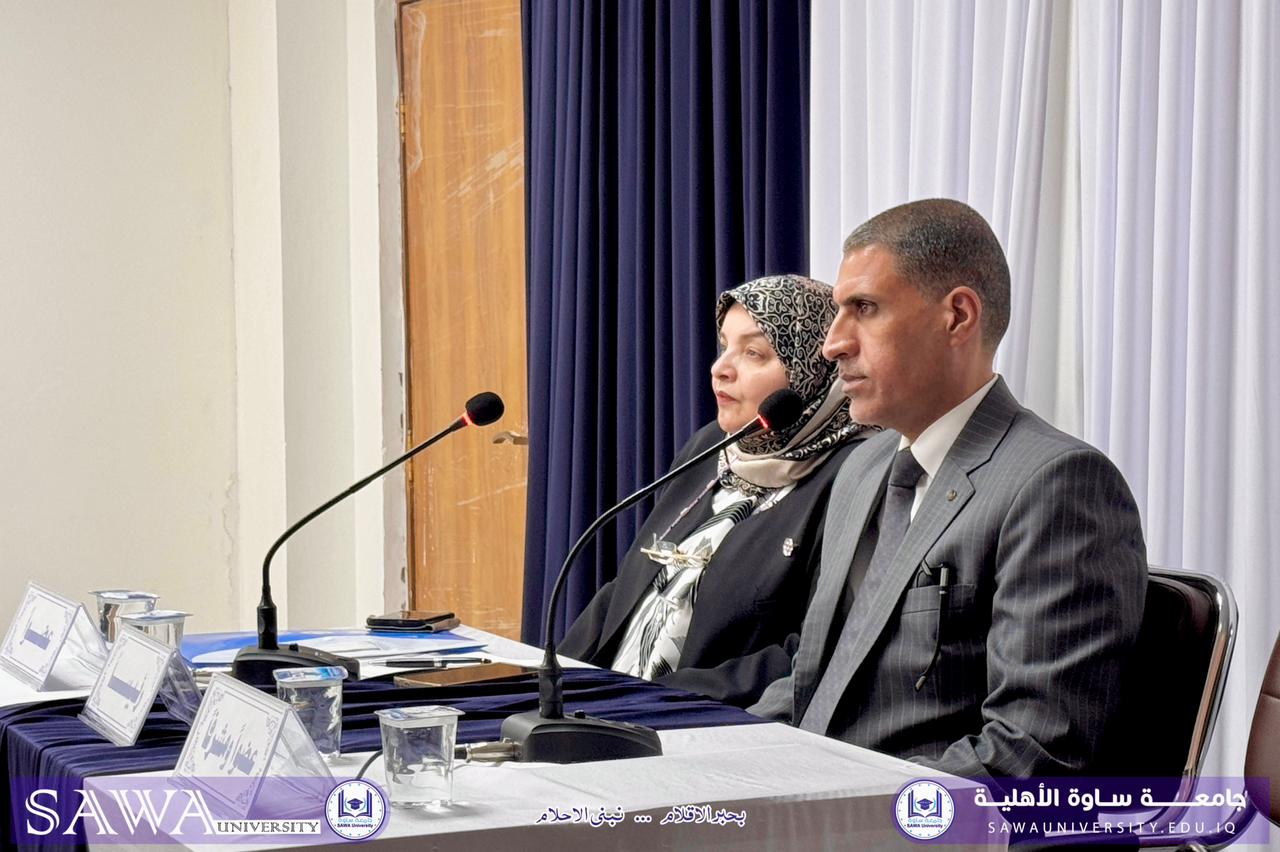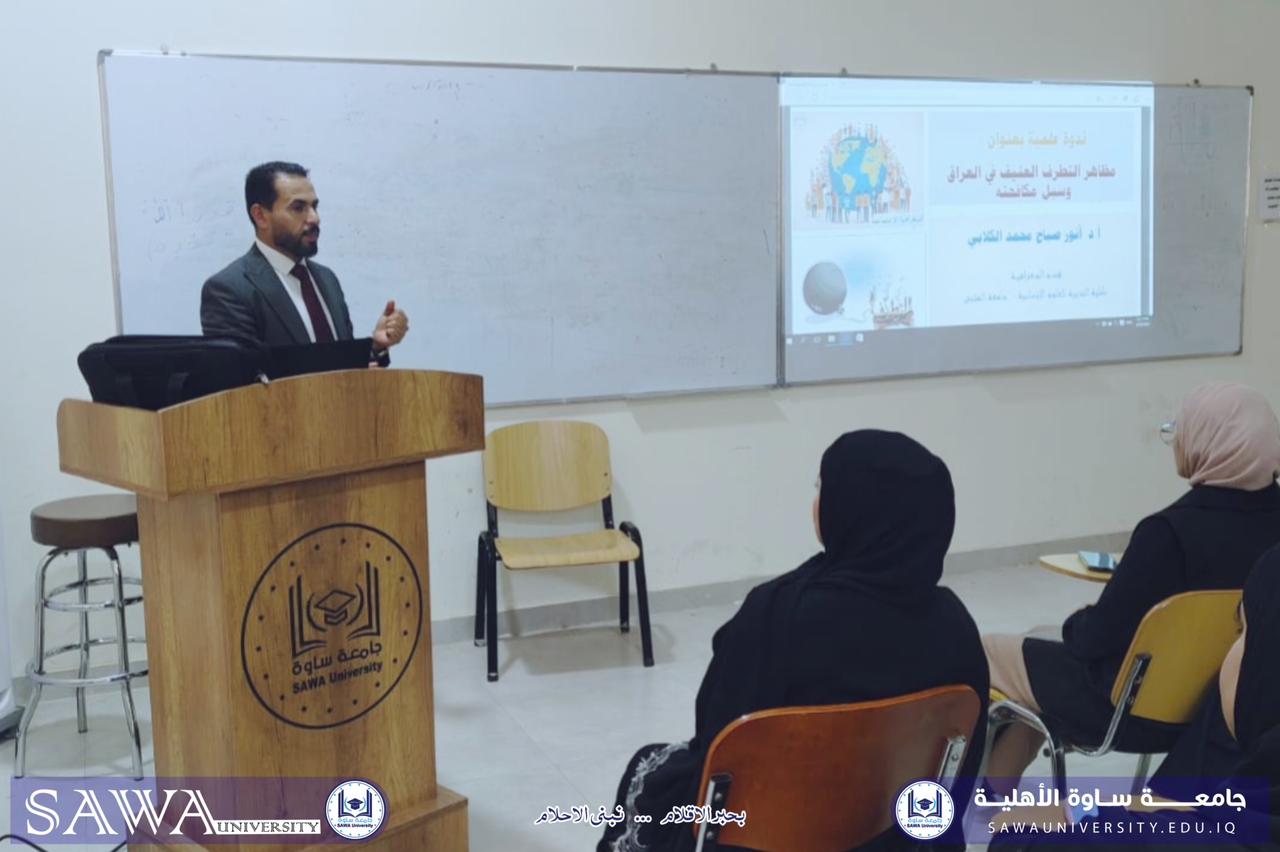
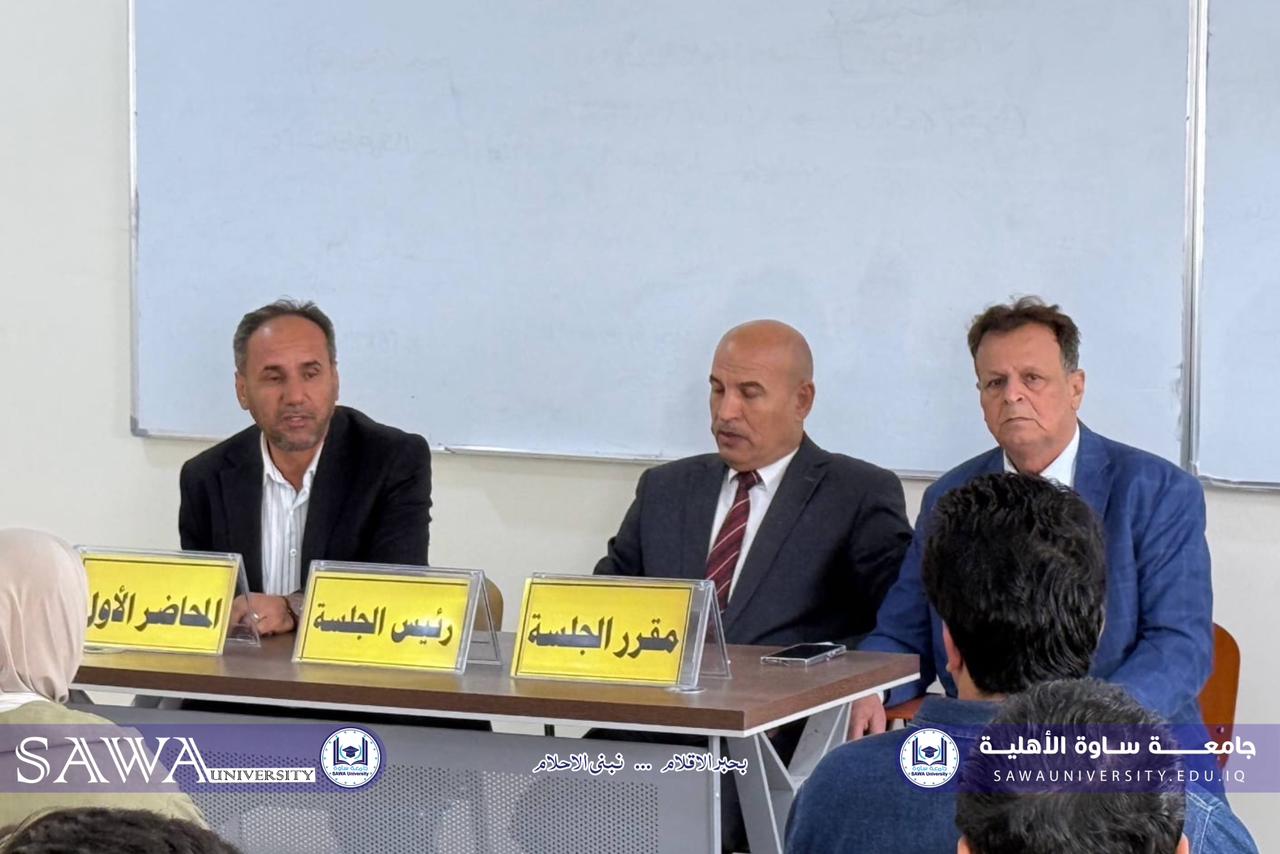
In implementation of the curriculum prepared by our university presidency for Iraqi Anti-Drug Week, the Dean's Office of the College of Law—in cooperation with the Departments of University Psychological Guidance and Student Activities—organized an educational and scientific seminar titled "Combating Narcotics and Psychotropic Substance Crimes in Iraqi Legislation" at 10:30 AM on Saturday, November 15, 2025. The seminar featured the participation of:
-
Lecturer Dr. Younis Shu'ail Ajeel – Chair
-
Lecturer Dr. Yaqdhan Hameed Khudair – Speaker
-
Lecturer Dr. Basim Hassan Khadar – Rapporteur
The seminar addressed the scourge of drug and psychotropic substance addiction, reviewing the main statutory milestones enacted in Iraq to combat this phenomenon, notably:
First: The enactment of Iraq's first anti-narcotics law, the Prohibition of Indian Hemp and Opium Poppy Cultivation Law No. (12) of 1933 (repealed).
Second: The Dangerous Drugs Law No. (44) of 1938 (repealed).
Third: The Narcotics Law No. (68) of 1965 (repealed).
Fourth: The primary legal framework, the Iraqi Penal Code No. (111) of 1969 (as amended), which stipulates in Article (61): "If loss of awareness or intent results from intoxicating or narcotic substances voluntarily and knowingly consumed by the offender, the crime committed shall be penalized as if it had been committed without intoxication or narcosis. If the offender consumed the intoxicating or narcotic substance intentionally for the purpose of committing the crime, this shall be deemed an aggravating factor." This provision underscores the Iraqi legislature's commitment to combating drug abuse by imposing stricter penalties on offenders under the principal statute.
Fifth: The latest piece of Iraqi legislation in drug control, the active Narcotics and Psychotropic Substances Law No. (50) of 2017, enacted to combat illicit trafficking in drugs and psychotropic substances.
.jpeg)