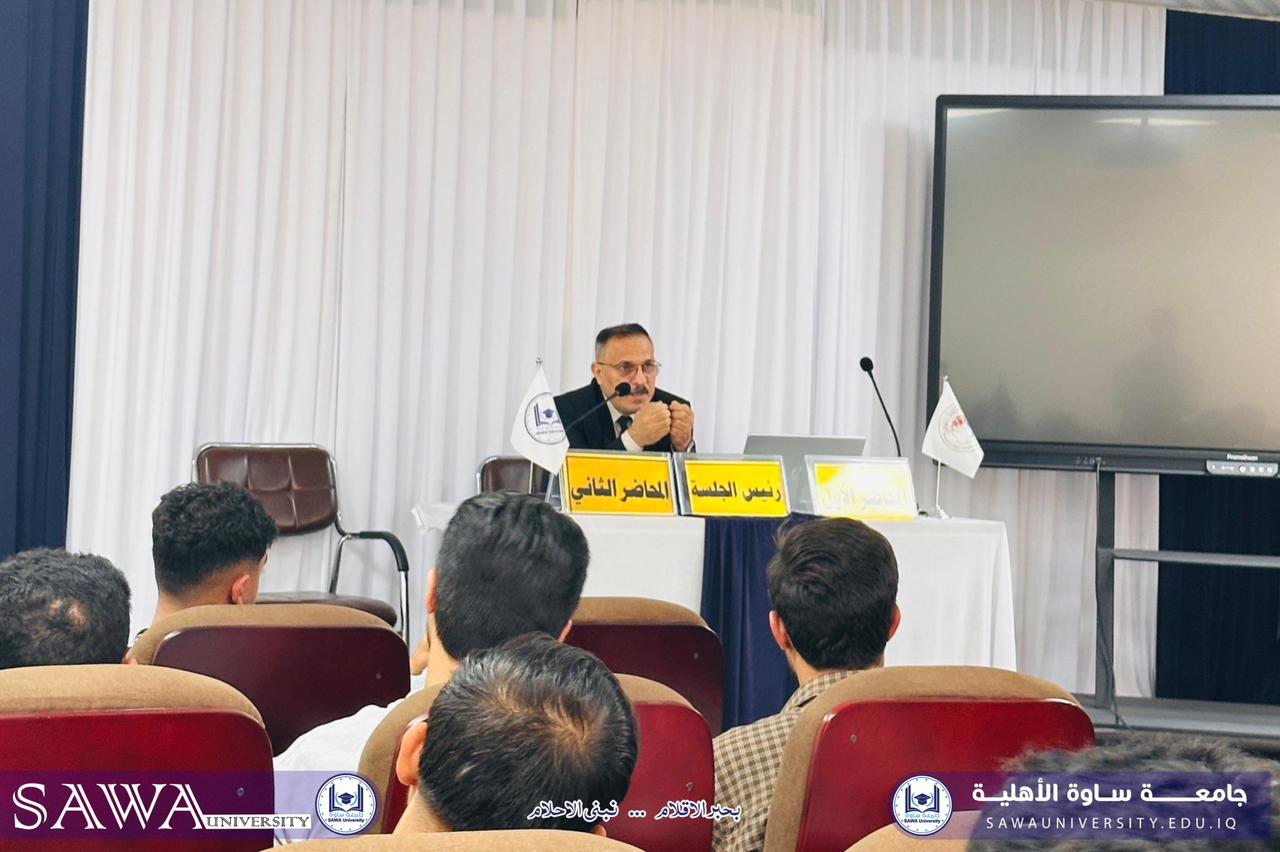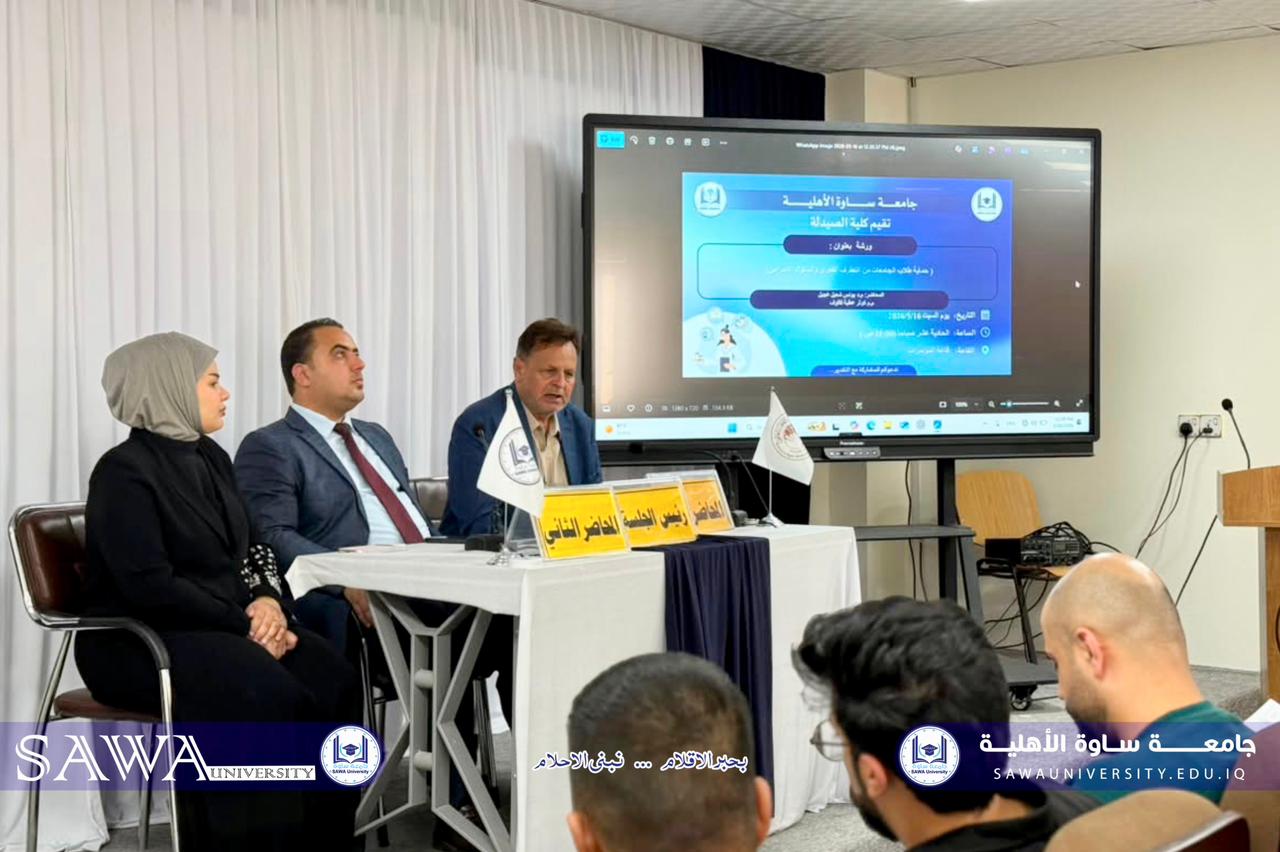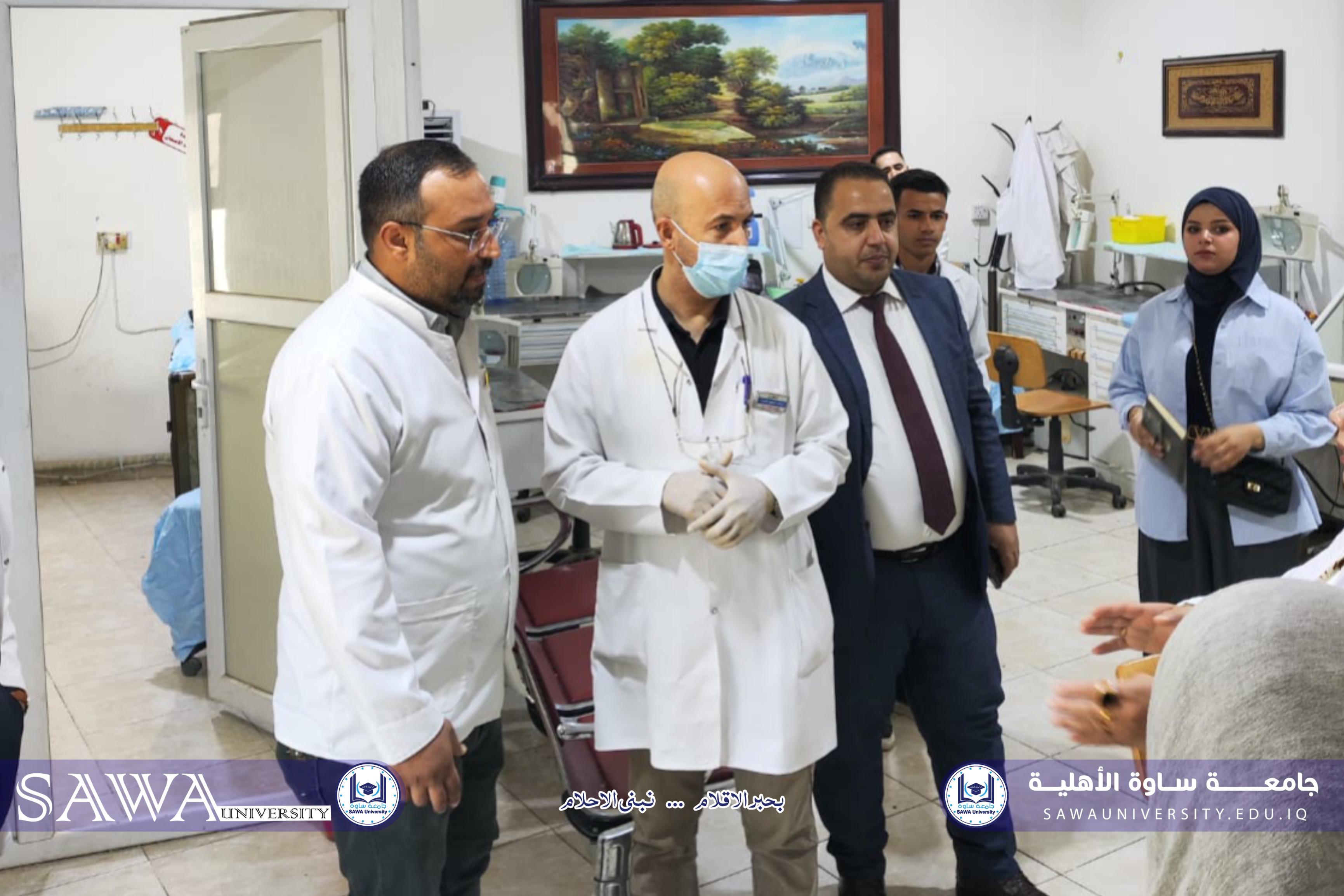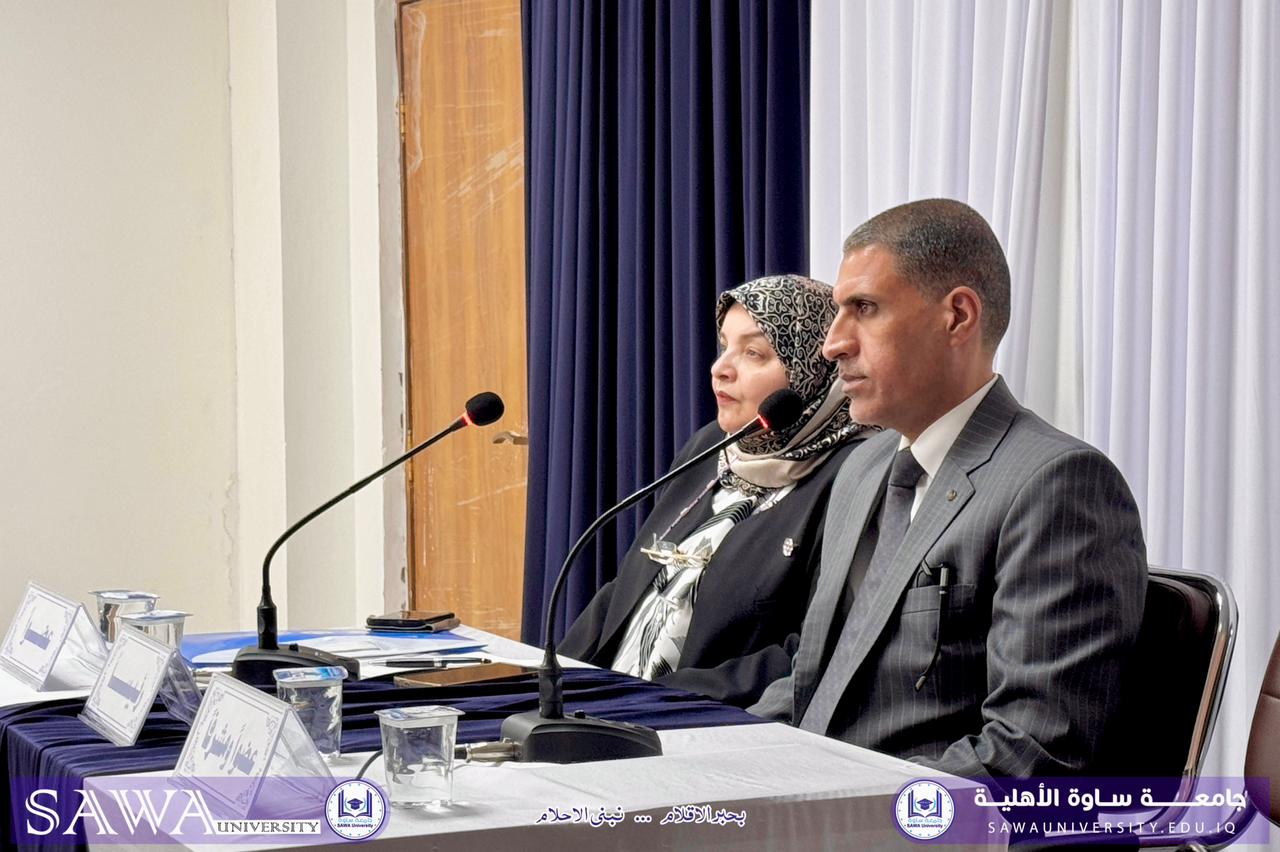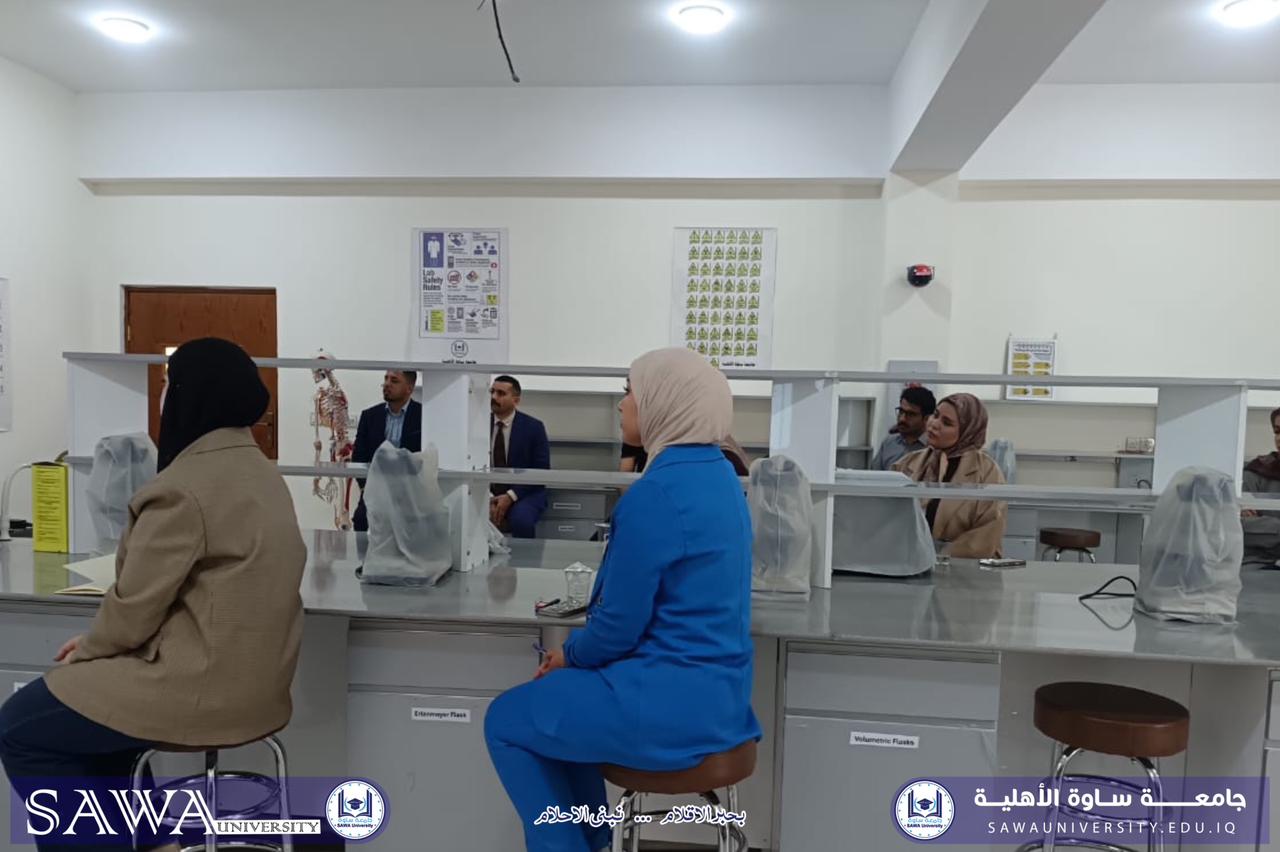
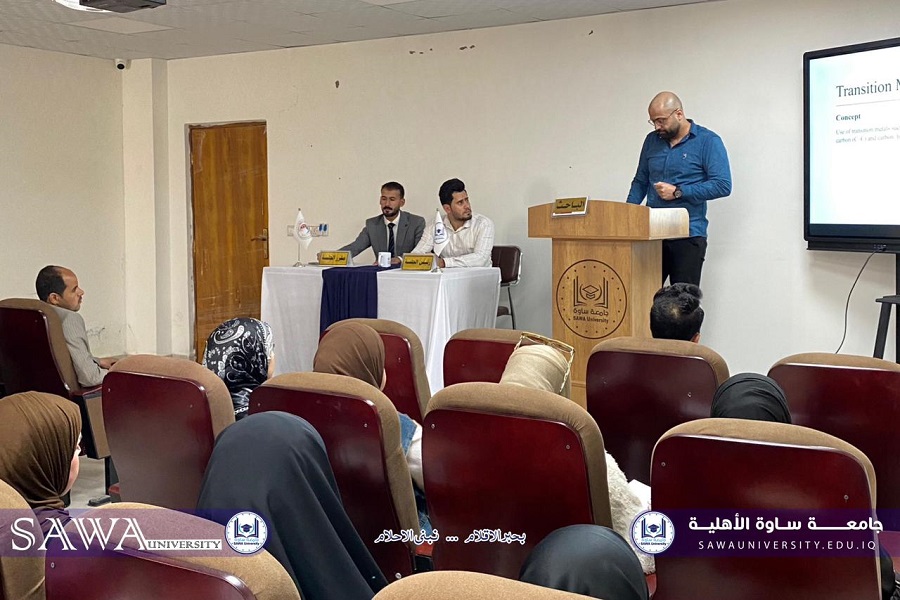
Under the patronage of Dr. Mudhir Abdullah Al-Dhalimi, Chairman of the Board of Trustees, Prof. Dr. Aqeel Sarhan, President of Sawa University, and Asst. Prof. Dr. Hassan Rahim Khudr, Dean of the College of Health and Medical Technologies, the Department of Health Administration, in cooperation with the Department of Medical Laboratory Techniques and the Department of Community Health, organized a scientific seminar entitled:
“Modern Methods for the Preparation of Organic Compounds and Their Pharmaceutical Applications.”
The seminar was held at 11:00 a.m. on Tuesday, February 24, 2026.
The seminar was presented by:
-
Asst. Lecturer Karrar Mohammed Jaeelah – Lecturer
-
Asst. Lecturer Hussein Alawi Atiyah – Rapporteur
-
Asst. Lecturer Hatif Ali Abdul – Chair
The seminar addressed modern methods for the preparation of organic compounds and their pharmaceutical applications as a key area in the development of pharmaceutical industries and scientific research. It highlighted the use of advanced synthetic techniques that contribute to improving the efficiency of chemical reactions, increasing compound purity, and reducing costs and environmental impact.
Particular emphasis was placed on preparation methods based on selective catalysis, asymmetric synthesis, and green chemistry, in addition to microwave-assisted and ultrasound-assisted synthesis, which contribute to accelerating reactions and improving their yields.
The seminar emphasized that adopting these modern approaches is no longer merely a research option, but rather a scientific and industrial necessity in keeping pace with rapid developments in drug discovery and design, particularly in light of challenges associated with antibiotic resistance and chronic and difficult-to-treat diseases.
It also highlighted the pharmaceutical applications of newly prepared organic compounds, including the development of anticancer, antiviral, and anti-inflammatory drugs, as well as treatments for neurological disorders. The role of modern techniques in improving drug efficacy and reducing side effects was also discussed.
The seminar further noted that integration between pharmaceutical organic chemistry and advanced analytical techniques contributes to accelerating research and development processes and enhancing the ability to produce safer and more effective pharmaceutical compounds, thereby positively contributing to the quality of healthcare and supporting sustainable pharmaceutical innovation.